Why Shredders Are the First Step in Many Recycling Lines
In almost every modern plastic recycling facility, the recycling process begins with a plastic shredder. Before sorting, washing, or extrusion can take place, bulky and irregular plastic waste must be reduced to a manageable size.Imagine standing in front of a mountain of mixed plastic waste-discarded water bottles, tangled industrial films, thick HDPE pipes, and old car bumpers. It's a chaotic mess. To the untrained eye, it's just junk. But to a recycler, it's a goldmine of raw material. The challenge is: how do you turn a five-foot-wide plastic drum into a uniform flake that can be melted down? The answer lies in the "teeth" of the operation. This is why versatile industrial shredders are almost always the first step in any successful recycling line. From rigid containers and mixed plastic waste to lightweight films, a recycling line shredder transforms raw waste into consistent material suitable for downstream processing. Solutions such as industrial plastic shredders from Audop are designed specifically to meet these demands in professional recycling operations.
The Role of a Plastic Shredder in the Recycling Process
A plastic shredder in the recycling process performs controlled size reduction. By breaking down large plastic items into uniform pieces, the shredder ensures stable feeding for washing systems, granulators, and extrusion lines. Compared with untreated waste, shredded plastic is easier to transport, easier to clean, and far more predictable for automated equipment.
In many recycling plants, the shredder for plastic recycling also improves material quality. Increased surface area allows contaminants to be removed more efficiently, which directly affects the quality of recycled pellets. This is why industrial plastic shredders are considered foundational equipment rather than optional accessories.
Types of Plastic Shredders for Recycling Lines
Different recycling applications require different shredder designs. Understanding plastic shredder types helps operators select the most efficient solution for their material stream.
Single Shaft Plastic Shredder for Recycling
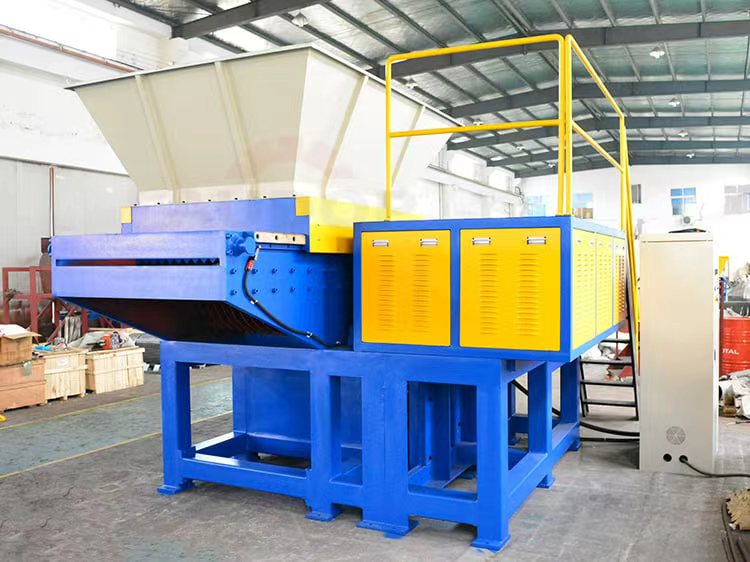
A single shaft plastic shredder uses one rotating shaft with cutting knives and a hydraulic pusher system. They are perfect for achieving a consistent output size and handling thick-walled materials like blocks or purgings, such as PET bottles, rigid packaging, and post-industrial plastic scrap. This type of plastic shredding machine is commonly used when material uniformity is a priority.
Double Shaft Plastic Shredder for Waste Plastic
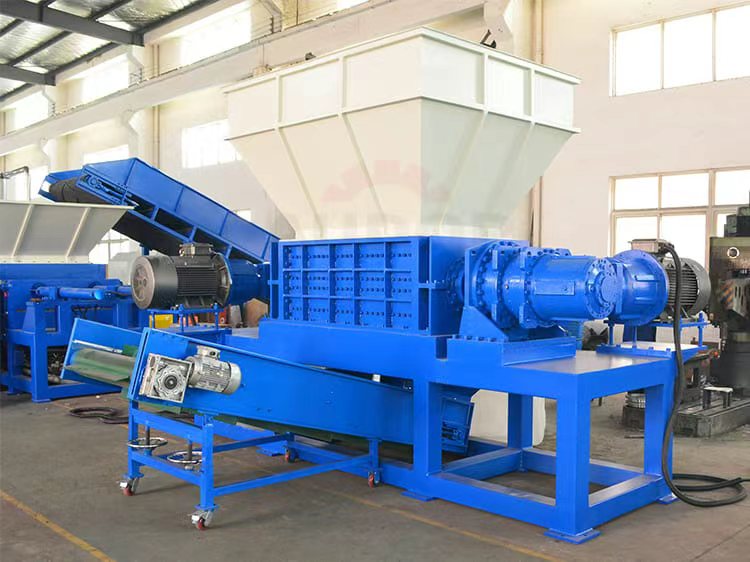
A double shaft plastic shredder features two low-speed, high-torque shafts that interlock to tear materials apart. This design is especially effective for mixed plastic waste, they can tear through massive volumes of bulky waste-tires, drums, and large crates-with ease. Its strong resistance to jamming makes it a preferred heavy-duty plastic shredder for industrial recycling.
Plastic Shredding and Crushing Production Line
In high-capacity recycling operations, shredders are often combined with crushers and screening systems. A plastic shredding and crushing production line allows continuous processing, delivering material that is already prepared for washing or granulation.
Industrial Plastic Shredder Blade Types and Performance
Blade design is one of the most critical factors in plastic shredder machine performance. Industrial plastic shredder blade types are engineered to match specific materials and operating conditions.
V-shaped and hook-style blades are commonly used in film shredders to grip flexible materials effectively. Multi-edge and heavy-duty blades are better suited for rigid plastics and mixed waste streams. High-quality alloy steels such as D2, DC53, or SKD-11 offer an optimal balance between wear resistance and toughness, extending blade life in demanding recycling environments.
Choosing the right blade configuration reduces energy consumption, improves output consistency, and minimizes maintenance downtime.
How to Choose the Right Plastic Shredder for Recycling
When selecting a plastic shredder for a recycling line, operators should evaluate material type, required capacity, and downstream processing requirements. A low speed high torque plastic shredder is often preferred for tough or contaminated materials, while higher-speed single shaft machines excel in producing uniform output.
Comparing a plastic shredder vs crusher in recycling lines is also important. Shredders are typically used for coarse size reduction at the front end, while crushers or granulators handle finer size reduction later in the process. Understanding this distinction helps optimize the overall recycling system.
Why Choose Audop Plastic Shredders
Audop designs and manufactures plastic shredders specifically for industrial recycling applications. Its equipment portfolio includes single shaft, double shaft, and customized solutions for plastic recycling line equipment. With robust construction, modular blade options, and reliable control systems, Audop shredders are suitable for both standalone shredding stations and fully integrated recycling lines .
Their designs prioritize maintenance-because let's face it, recycling is a dirty, tough job. Audop machines feature easy access to the screen and blade bolts, meaning less downtime. Furthermore, their advanced shredding technology ensures that energy consumption is kept in check, which is a massive factor when you're running a 24/7 recycling facility. It's that balance of "heavy-duty" durability and "smart" engineering that sets them apart from the generic options you might find in a quick search.
Plastic Shredder FAQs
Can one plastic shredder handle all types of plastic waste?
Most industrial plastic shredders can process a wide range of materials, but optimal performance depends on selecting the correct shredder type and blade configuration. Mixed plastic waste often requires a double shaft design, while uniform materials benefit from single shaft machines.
How often do the blades need sharpening?
This depends entirely on the material. If you’re shredding clean factory scrap, blades last a long time. If you’re processing post-consumer waste with sand or metal contaminants, you’ll need a regular maintenance schedule. Audop blades are designed for multiple rotations/regrinds to extend their life.
Does shredding help with the washing process?
Absolutely. By breaking the plastic down into smaller, uniform pieces, you increase the surface area. This allows the washing line to remove dirt, labels, and adhesives much more effectively.
What maintenance is required for plastic shredders?
Routine inspection, blade sharpening or replacement, and removal of contaminants are essential to maintain performance and extend equipment life.
Conclusion
Shredders play a decisive role in modern plastic recycling. As the first step in many recycling lines, a well-selected plastic shredder sets the foundation for efficiency, material quality, and long-term operational stability. Without reliable shredding equipment, large-scale plastic recycling would simply not be possible.